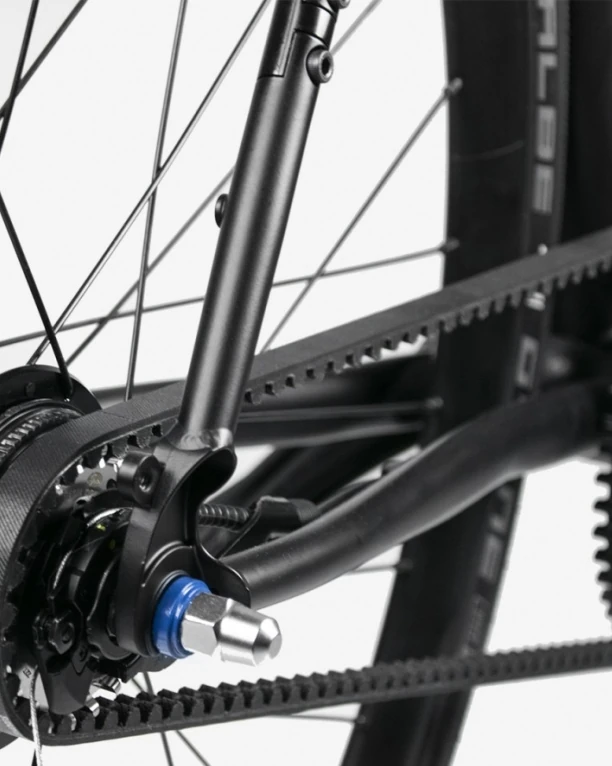
Gates Belt Tension Meter PCE-BTM 2000
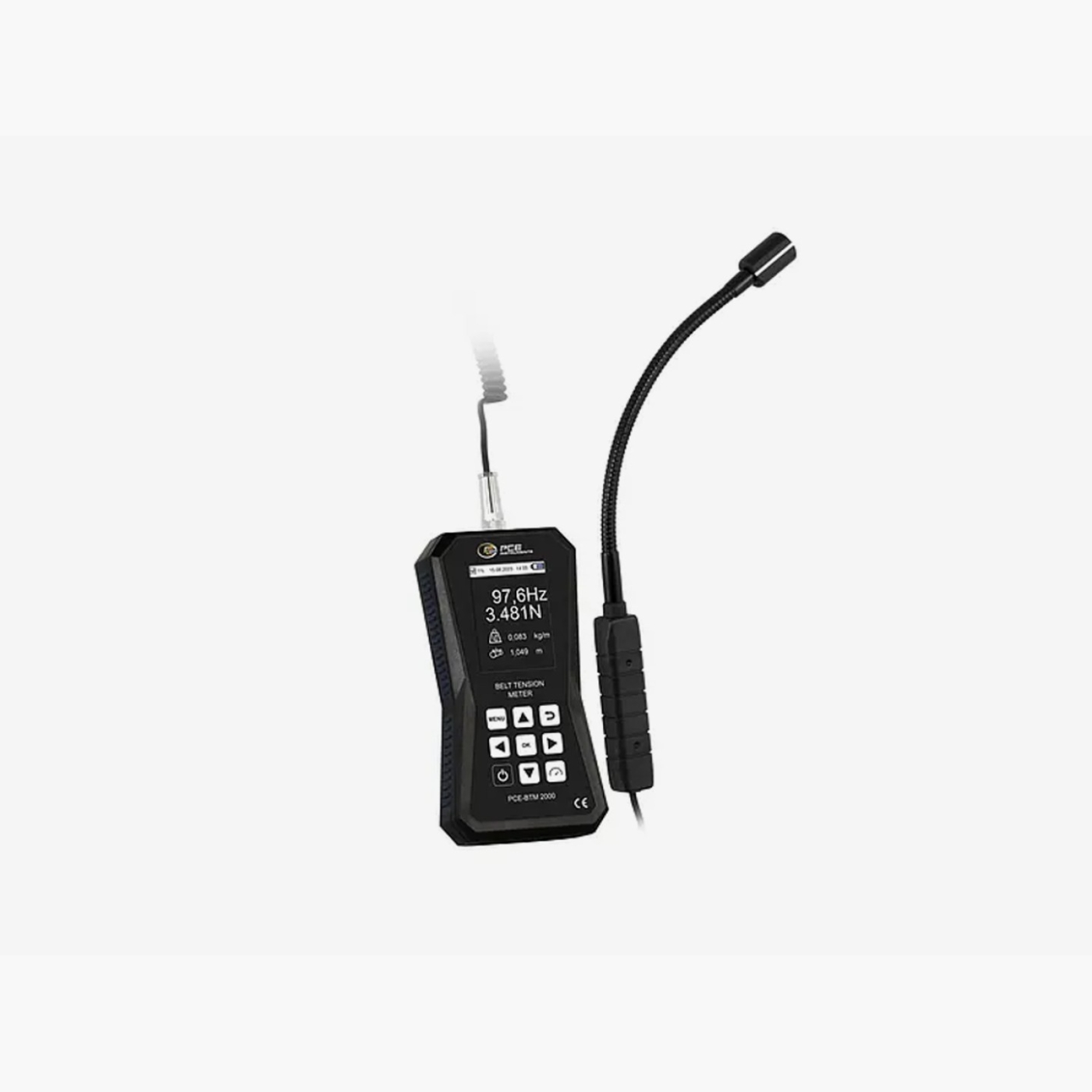
The Belt Tension Meter PCE-BTM 2000 is a handheld meter for fast and accurate measurement of belt tension, sold for Gates Carbon Drive belts. A flexible sensor arm and a keypad on the handheld unit can be seen in the product photo.
Why choose this tool?
 Fast and accurate. Made for measuring belt tension quickly and precisely.
 For belt drives. Sold for checking the tension of Gates Carbon Drive belts.
 A reading, not a colour. Gives you a measured value instead of a go/no-go result.
 Handheld. A handheld unit with a flexible sensor arm.
What is it for?
The meter measures belt tension, so you can set a belt to the right tension and check it later. Correct tension matters: too loose and the belt can skip teeth, too tight and it loads the hub bearings.
Which tension tool is right for you?
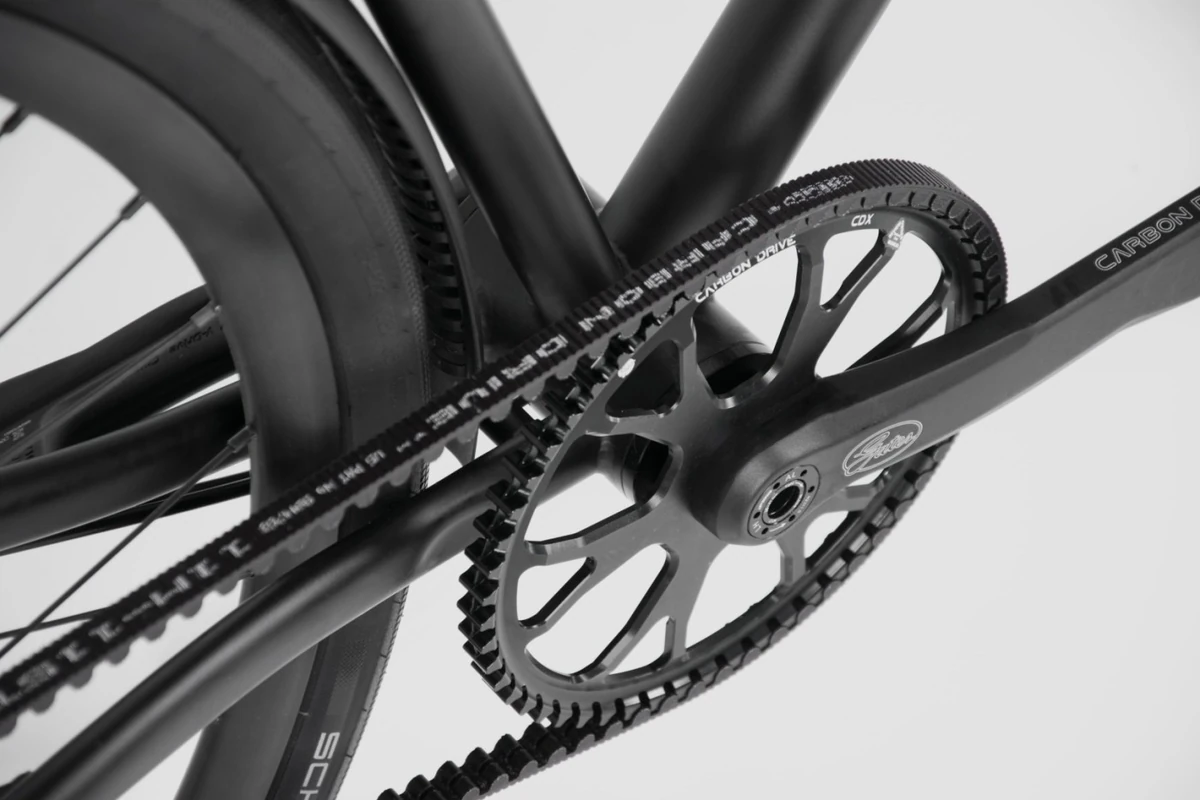
For measured values you can choose this meter or a Gates sonic meter; for a quick go/no-go check use the Spring Tension Tester. Ask us which one suits your workshop.
Technical data
| Property | Value |
|---|---|
| Type | Belt tension meter |
| Model | PCE-BTM 2000 |
| Made for | Measuring belt tension, sold for Gates Carbon Drive belts |
Which Gates tool for which job?
| Gates tool | Job |
|---|---|
| Spring Tension Tester | Checks belt tension |
| Sonic Tension Meter 350C | Checks belt tension |
| Sonic Tension Meter 550C | Checks belt tension |
| Belt Tension Meter PCE-BTM 2000 (this tool) | Checks belt tension |
| Rear Belt Liner | Checks alignment |
| Laser Belt Liner V3 | Checks alignment |
| Frame Alignment Kit | Checks the frame |
| SureFit Tool | Fits sprockets |
| Strap Wrench | Removes sprockets |
| Locknut Tool for S550 | Fits sprockets |
| RDM Snubber | Protects the belt |
| Snubber Screw | Protects the belt |
| Snubber Spacer Kit | Protects the belt |
| Belt Care Silicone Spray | Cares for the belt |
| Tensioner Idler Wheel | Replaces a part |
Frequently asked questions
How tight should the belt be?
Correct tension matters. Too loose and the belt can skip teeth; too tight and it loads the hub bearings. Besides the tools here, the free Gates Carbon Drive app measures tension by sound, and a Gates Krikit gauge (the “CDS Krikit” with the blue plastic) is a physical gauge for riders and shops.
Do I need special tools for a belt drive?
A belt drive needs far less than a chain, but the right tension and alignment matter. Gates offers tools for checking tension, checking alignment, fitting sprockets and protecting the belt – see the table above, and ask us which ones suit your bike.
How do I handle a Gates belt?
Do not twist, back-bend, crimp, invert, bundle or zip-tie the belt, and never use it as a strap wrench or pry it onto the sprockets. Do not lubricate it. Damage to the carbon cords is the most common reason for a belt to fail.
About Gates Carbon Drive
Gates Corporation has been a global leader in power transmission and belt drive technology since 1911. In 2007 it launched the first belt drive system for bicycles, and today more than 1,000 bike brands worldwide use Gates Carbon Drive, from city and trekking bikes to e-bikes, cargo and mountain bikes.
On the bike